
Concern Rises Over Chronic Absenteeism Among Students in Northern Ireland
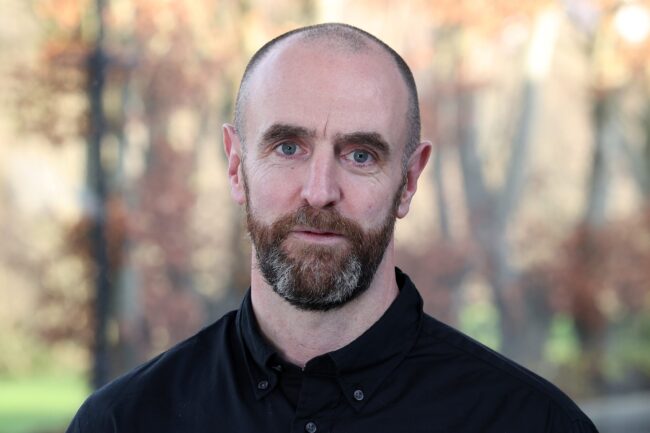
Mark H. Durkan, a Member of the Legislative Assembly (MLA) for the Social Democratic and Labour Party (SDLP) representing Foyle, has voiced alarm at recent statistics revealing that over 74,000 schoolchildren in Northern Ireland are categorized as chronic absentees. The data, pertaining to the 2023/24 academic year, indicates that 33,573 primary school pupils and 40,617 post-primary pupils fall into this troubling classification.
Durkan described these numbers as “stark,” emphasizing that the underlying causes of absenteeism are multifaceted. He expressed dismay at the implications of so many children missing school regularly, highlighting the significant impact on their social and educational development. “We’re talking about thousands of children missing out on the opportunity to engage with their peers, forge friendships and learn in a classroom setting,” Durkan stated.
The implications of absenteeism extend beyond the individual students. Durkan pointed out that families are also affected, with many parents having to take time off work to care for their children, thereby exacerbating financial strains. This issue is not merely educational; it encompasses serious societal and public health dimensions. “The real difficulty is that the longer a child remains away from the school environment, the harder it becomes to help them return,” he added.
Recent interactions with constituents have revealed a rising trend in parents seeking assistance for their children’s absenteeism. Durkan identified mental health concerns, particularly anxiety, as a common thread linking many of these cases, a situation he attributes to the lasting impacts of the COVID-19 pandemic. “For many children and young people, the disruption and trauma experienced during Covid has had lasting consequences which are now major barriers to education,” he remarked.
Critically, Durkan underscored the need for a reevaluation of how absenteeism is tracked and understood. Currently, the Education Authority does not categorize the reasons for absenteeism, a gap Durkan believes must be addressed to facilitate effective interventions.
A notable gap in available support is the Healthy Happy Minds counselling and therapy program, which saw its funding cut during a period without ministerial oversight. Despite commitments from various political parties to restore the program following the re-establishment of the Northern Ireland Assembly, nearly two years have passed without any reactivation.
Durkan strongly encourages parents and educators to participate in the Department of Education’s public consultation regarding a new draft school attendance strategy, which is open until March 6, 2026. He stressed the importance of collective action to address the alarming rates of absenteeism and to ensure that “thousands of children do not continue to fall through the cracks.”
As Durkan succinctly articulated, “Attendance is not just an educational issue; it is a mental health issue, a public health issue, and a societal responsibility.”
For further details on the consultation, visit Department of Education – Pupil Attendance Strategy.


