
State Funding for Youth Substance Abuse Programs Diverted to Juvenile Detention Center in Budget Shift
In a significant alteration during last year’s budget deliberations, millions of dollars earmarked for the reopening of a youth substance abuse program in Frederick County have been redirected towards the reestablishment of a juvenile detention center in Montgomery County. This strategic pivot, unveiled in January 2025, has raised concerns among stakeholders advocating for youth mental health support and substance abuse treatment.
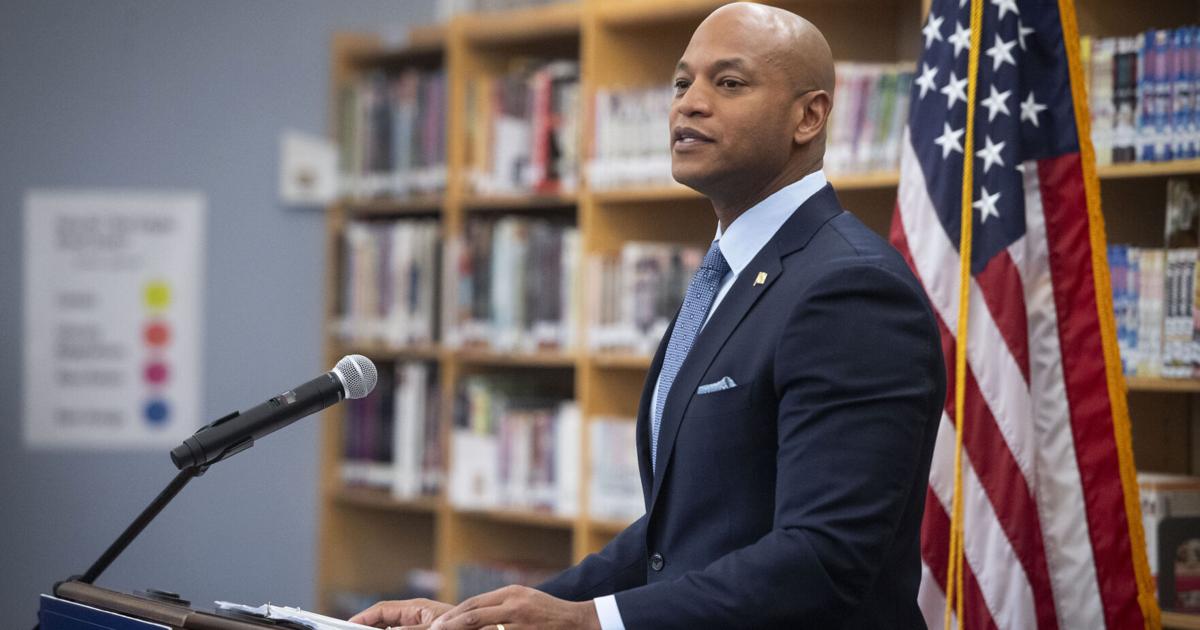
Governor Wes Moore’s announcement of a proposed million allocation in the state budget has drawn attention to the Catoctin Summit Adolescent Program, a residential treatment initiative. Located in Sabillasville, this program was designed to address the growing concerns surrounding adolescent substance use disorders. However, its funding has encountered unforeseen challenges due to shifting priorities within the state’s budgetary framework.
The decision to prioritize the reopening of the juvenile detention facility is rooted in a pressing need to address rising youth crime rates and the complexities of juvenile justice in Maryland. Advocates for the juvenile detention center argue that providing structured environments for at-risk youth can foster rehabilitation rather than incarceration. However, this approach has been met with criticism from those who believe that resources should instead be allocated toward preventative measures, such as substance abuse treatment programs.
The Catoctin Summit Program has long been recognized for its integrated approach to treating young individuals grappling with substance use issues. Proponents of the program have emphasized the importance of addressing mental health and substance use in tandem, highlighting that early intervention can have long-lasting effects on a youth’s trajectory. The loss of direct funding for such programs could signify a retrenchment in Maryland’s commitment to addressing the multifaceted nature of youth issues.
As public discourse evolves around the critical intersection of juvenile justice and substance abuse treatment, the shift in funding priorities raises essential questions about the state’s strategies for creating sustainable, impactful solutions. The long-term implications for young people’s mental health and the overall well-being of Maryland’s communities remain to be seen as stakeholders on both sides continue to advocate for their respective approaches.
In light of these developments, the state is urged to reconsider the balance of its budget allocations to ensure that comprehensive, evidence-based solutions addressing both juvenile justice and substance abuse are prioritized and funded effectively. Ultimately, the conversation surrounding youth support systems will be critical as Maryland navigates these complex societal challenges.


